 Ohne Anstehen buchbar
 Schloss Belvedere mit Kindern besuchen: Ein Familienführer für Wiens Klimt-Palast
Familien-Materialien, der Kinder-Audioguide, die Sphinx-Spurensuche im Barockgarten, die beste Route durch das Obere Belvedere mit Unter-Zwölfjährigen und wie man Belvedere mit Schönbrunn zu einem vollen Habsburg-Wien-Tag verbindet.
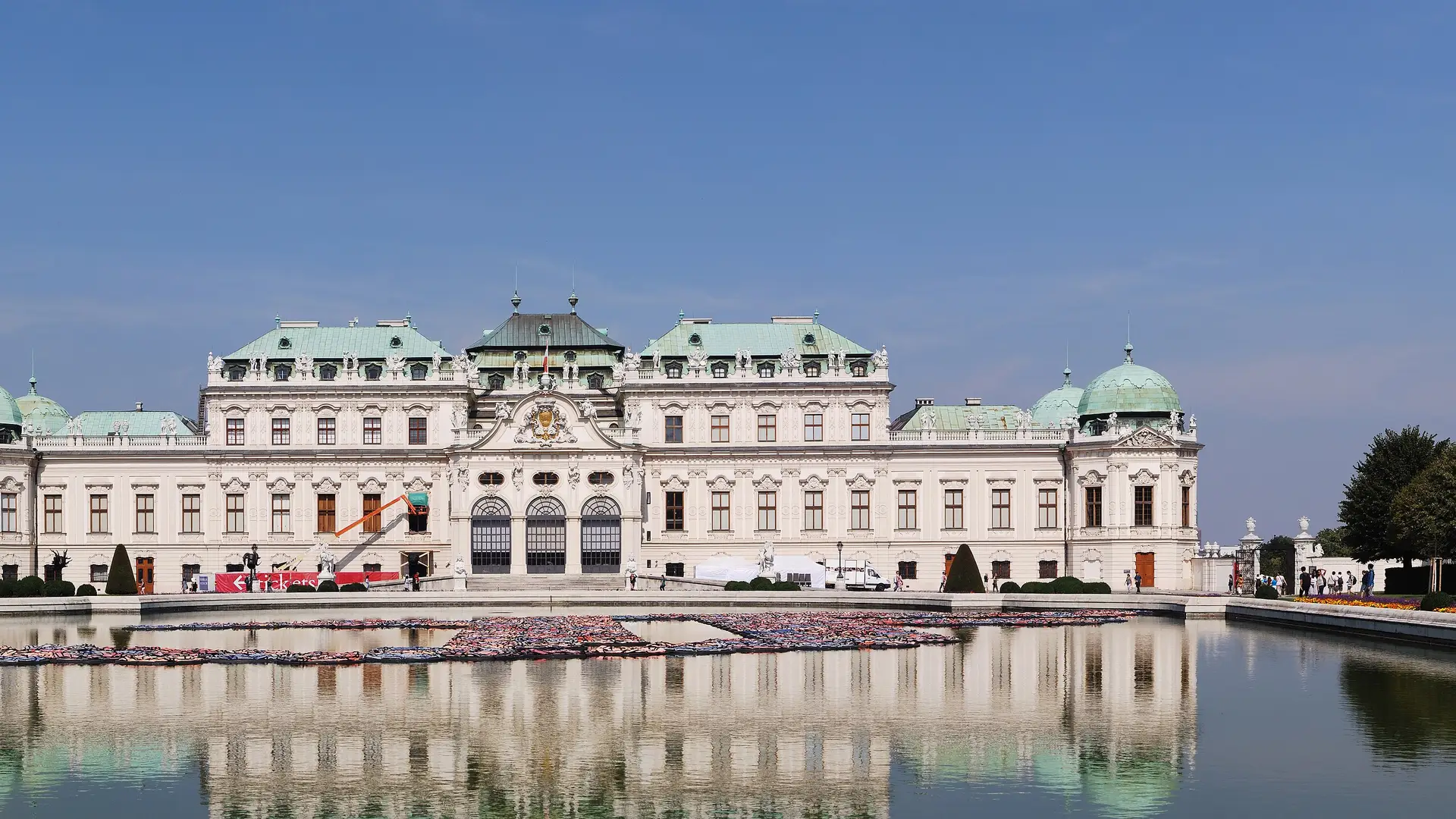
Das Belvedere ist kinderfreundlicher, als sein Ruf vermuten lässt. Die prächtigen Prunkräume des Oberen Belvedere, das Blattgold-Leuchten von Klimts Kuss, das barocke Deckenfresko im Marmorsaal und der von Sphingen gesäumte formale Garten zwischen den beiden Palästen belohnen jene Art von Aufmerksamkeit, die Kinder Gebäuden schenken, die aus einer Geschichte stammen könnten. Das Museum bietet kostenlose Familien-Materialien in mehreren Sprachen an, produziert eine Kinder-Version seines Audioguides, die auf jüngere Zuhörer zugeschnitten ist, und der barocke Garten zwischen den Palästen ist einer der schönsten kostenlosen Freiräume für unruhige kleine Besucher im ganzen Zentrum Wiens. Kinder unter neunzehn Jahren erhalten an allen drei Belvedere-Standorten freien Eintritt, so der Betreiber, was einen Familienbesuch für Wiener Verhältnisse finanziell leicht macht. Dieser Führer richtet sich an Familien mit Kindern etwa zwischen fünf und zwölf Jahren; ältere Jugendliche begegnen Klimt und Schiele in der Regel wie in jedem Kunstmuseum, und für sehr kleine Kinder mag der Garten allein schon genug sein. Wir behandeln die praktischen Abläufe, die funktionierenden Routen und die Verpflegungsoptionen, die Eltern eine zusätzliche Stunde verschaffen.
Familien-Materialien, der Kinder-Audioguide und was sie tatsächlich bewirken
Fragen Sie am Ticketschalter des Oberen Belvedere gezielt nach dem Familien-Material – einem gedruckten Aktivitätsbogen, in der Regel kostenlos, der Kinder mit altersgerechten Fragen und kleinen Zeichenaufgaben auf eine geführte Tour durch die Highlights der ständigen Sammlung mitnimmt. Er funktioniert am besten für die Altersgruppe der Sieben- bis Zwölfjährigen. Das Belvedere bietet zudem eine Kinder-Version seines Audioguides an, die in einem anderen Tempo und für jüngere Zuhörer erzählt wird und etwa fünfzehn Schlüsselwerke abdeckt, darunter Der Kuss, Judith und eine Auswahl der Barockräume. Der Audioguide wird zusammen mit der Standardversion für Erwachsene am selben Verleihschalter angeboten.
Für Kinder im Vorschulalter und sehr kleine Kinder ist keines der beiden Hilfsmittel zwingend erforderlich. Das im nächsten Abschnitt beschriebene Bildersuche-Spiel funktioniert ohne jegliche gedruckte Unterstützung, und die später in diesem Guide beschriebenen Garten-Sphingen sind eine völlig eigenständige Aktivität. Fragen Sie das Personal am Tag Ihres Besuchs nach der aktuellen Ausgabe des Familienprogramms, da die genauen Materialien regelmäßig aktualisiert werden. Die Handouts waren in den letzten Saisonen in mehreren Sprachen verfügbar, darunter Deutsch, Englisch und Französisch; wenn Ihre Kinder ihre Muttersprache bevorzugen, erwähnen Sie dies am Schalter und prüfen Sie, ob die aktuelle Ausgabe eine Übersetzung hat. Der Betreiber veranstaltet gelegentlich auch Familien-Wochenend-Workshops – in der Regel auf belvedere.at angekündigt –, um die herum einen Besuch zu planen sich lohnen kann, wenn Sie zeitlich flexibel sind.
Die richtige Route durch das Obere Belvedere mit Kindern
Der Fehler, den die meisten Familien machen, ist, mit dem Kuss zu beginnen, den Kinder möglicherweise antiklimaktisch finden – ein einzelnes, statisches Gemälde hinter Glas in einem belebten Raum. Die Route, die in der Praxis besser funktioniert, beginnt im Erdgeschoss mit der mittelalterlichen Sammlung, wo geschnitzte Holzaltäre und vergoldete Reliquiare zum genauen Hinsehen einladen und spürbar weniger überlaufen sind; führt dann hinauf in die barocken Prunkräume, wo Spiegelkabinette, Deckenfresken und die erhaltenen Interieurs von Prinz Eugen Kindern ein Gefühl dafür geben, wie ein tatsächlicher Palast des 18. Jahrhunderts funktionierte.
Betreten Sie die Klimt-Säle als dritten Programmpunkt – zu diesem Zeitpunkt haben sich die Kinder bereits eingesehen und können Der Kuss als Höhepunkt des Besuchs erleben, statt als plötzlichen Pflichtstopp, auf den sie noch nicht vorbereitet sind. Beenden Sie den Rundgang kurz in den Schiele-Räumen – Schieles Intensität kann bei älteren Kindern stärker nachwirken als erwartet, und Eltern sollten vorab einen Blick auf die Raumbeschriftungen werfen. Die reine Aufenthaltsdauer mit Kindern unter zwölf Jahren beträgt im Gebäude üblicherweise neunzig Minuten, bewusst kürzer als ein Erwachsenenbesuch. Ein einfaches Spiel, das in den Klimt-Sälen funktioniert: Bitten Sie die Kinder, jedes Gemälde zu finden, bei dem Klimt echtes Gold verwendet hat – die meisten Werke der Goldenen Periode sind in zwei angrenzenden Räumen versammelt, und der Vergleich zwischen den goldenen und den nicht-goldenen Porträts ist genau jene Art des Sehens, die Malerei belohnt.
Der Sphinx-Pfad durch die Gärten und der frei zugängliche Barockpark zwischen den Palästen
Der barocke Prachtgarten zwischen Oberem und Unterem Belvedere beherbergt eine beachtliche Zahl an Steinskulpturen: Sphingen (die Kinder stets als Erste entdecken), Putten, allegorische Figuren der Jahreszeiten und klassische Gottheiten. Die zentrale Treppe zwischen den oberen und mittleren Terrassen wird von paarweise angeordneten Sphingen gesäumt, jede mit subtil unterschiedlichem Gesichtsausdruck und eigener Haltung. Ein einfaches Spiel, das mit Kindern ab fünf Jahren bestens funktioniert: Geben Sie jedem Kind ein Blatt Papier und lassen Sie es jede Sphinx abhaken, die es zwischen dem Betreten des oberen Gartens und dem Erreichen des Unteren Belvedere an der Rennweg-Seite passiert.
Der gemächliche Abstieg über die drei Terrassen, vorbei an gestaffelten Brunnen, Kaskaden und Spiegelbecken, dauert zehn bis fünfzehn Minuten und macht aus einem bloßen Übergangsweg einen der einprägsamsten Abschnitte des Besuchs. Der Garten ist kostenlos zugänglich und bleibt laut Betreiber von den frühen Morgenstunden bis zur Abenddämmerung geöffnet; an klaren Tagen zählt er zu den reizvollsten kostenfreien Stadträumen im Zentrum Wiens. Auf dem zentralen, gepflasterten Hauptweg kommen Kinderwagen auf dem Kiesbelag recht gut voran; ältere Kinder, die Stufen bewältigen können, haben mehr von der Route, die sie zwischen den paarweise aufgestellten Sphingen hinabführt, als von den sanfteren diagonalen Wegen. Der Ticketschalter des Unteren Belvedere am Fuß des Gartens ist der natürliche Wendepunkt für einen Rückweg hinauf zum Oberen Belvedere.
Kulinarische Pause mit Stil: Die besten Café-Adressen für eine kleine Auszeit während Ihres Schönbrunn-Besuchs
Eine geplante Kaffeepause macht den Unterschied zwischen einem glücklichen zweistündigen Familienbesuch und einem nervenaufreibenden Ein-Stunden-Trip. Das Obere Belvedere verfügt über ein hauseigenes Café mit Sitzplätzen, die sich bei schönem Wetter auf eine Terrasse mit Blick in den Garten ausweiten. Die Karte bietet Wiener Kaffeehaus-Klassiker sowie eine kleine Auswahl an Kuchen, belegten Broten und leichten warmen Speisen; am stärksten besucht ist das Café zwischen zwölf und vierzehn Uhr, am ruhigsten zwischen halb elf und halb zwölf – das fügt sich nahtlos in die oben empfohlene Route ein. Außerhalb der Museumstore finden Besucher, die länger sitzen möchten, an der Prinz-Eugen-Straße und am Rennweg innerhalb von fünf Gehminuten Bäckereien, ein paar Pizzerien und ein klassisches Wiener Kaffeehaus.
Wenn Sie einen ganzen Tag für kinderfreundliche Besichtigungen im habsburgischen Wien einplanen, ist Belvedere am Vormittag und Schönbrunn am Nachmittag die klassische Kombination. Das Obere Belvedere ist in den ersten Öffnungsstunden am stillsten – ein Einlass um neun Uhr ermöglicht es Ihnen, Museum und Garten bis etwa halb zwölf zu erkunden; Mittagessen in der Nähe; mit U-Bahn oder Straßenbahn in rund dreißig Minuten hinüber nach Schönbrunn; Schloss und Tiergarten zusammen füllen den Nachmittag mühelos aus. Der Tiergarten Schönbrunn ist für Kinder unter zehn Jahren durchweg fesselnder als weitere Schlossinnenräume, und die Schönbrunner Gärten sind weitläufiger und abwechslungsreicher als jene des Belvedere. Die Reihenfolge umzukehren, drängt den Belvedere-Besuch in das überfüllte Mittags-Klimt-Fenster – genau jene Zeit, die es zu meiden gilt. Der Vormittag im Belvedere ist die richtige Entscheidung.
Häufig gestellte Fragen
Ist das Belvedere für kleine Kinder geeignet?
Ja, mit realistischen Erwartungen. Das Obere Belvedere eignet sich am besten für Kinder ab etwa sieben Jahren; jüngere Kinder lassen sich meist mehr von den Sphinxen im Garten und den barocken Prunkräumen begeistern als von den modernistischen Gemälden. Kinder und Jugendliche unter neunzehn Jahren haben laut Betreiber an allen Belvedere-Standorten freien Eintritt.
Gibt es einen Familienrabatt oder eine Kinderkarte?
Kinder und Jugendliche unter 19 Jahren erhalten freien Eintritt beim Betreiber, in Begleitung oder allein. Ermäßigte Tickets gelten für Studierende unter 26 Jahren und Senioren über 65. Prüfen Sie vor der Buchung die aktuellen Preise auf belvedere.at.
Sind Kinderwagen in den Palästen erlaubt?
Ja, Kinderwagen sind sowohl im Oberen als auch im Unteren Belvedere erlaubt. Kostenlose Garderoben und Schließfächer stehen Familien zur Verfügung, die sie abstellen möchten. Die Schlösser verfügen nach Angaben des Betreibers über Aufzüge zu allen Galerieebenen, einschließlich der Etage, in der „Der Kuss“ hängt.
Gibt es einen Kinder-Audioguide?
Ja. Das Belvedere bietet im Oberen Belvedere eine Kinder-Version seines Audioguides an, die in einem langsameren Tempo erzählt wird und rund fünfzehn Highlight-Werke, darunter „Der Kuss“, umfasst. Er ist am üblichen Audioguide-Schalter neben der Erwachsenenversion erhältlich.
Was ist das Familienblatt?
Ein gedruckter Aktivitätsbogen, der auf Wunsch an der Kasse ausgegeben wird und Kindern im Alter von etwa sieben bis zwölf Jahren einen geführten Rundgang durch die Highlights mit altersgerechten Fragen und kleinen Zeichenaufgaben bietet. Ausgaben in mehreren Sprachen sind in der Regel verfügbar; fragen Sie das Personal nach dem aktuellen Satz.
Ist der Belvedere-Garten für Kinder geeignet?
Ja, und er ist kostenlos. Der barocke Formalgarten zwischen den beiden Schlössern beherbergt viele Steinskulpturen, darunter Sphingen, Putten und klassische Gottheiten – ideal für ein einfaches Zähl- oder Suchspiel auf dem Weg zwischen Oberem und Unterem Belvedere. Die Gärten sind vom frühen Morgen bis zur Abenddämmerung geöffnet.
Wo kann ich mit Kindern in der Nähe des Belvedere essen?
Das Obere Belvedere verfügt über ein hauseigenes Café mit Terrassenbestuhlung bei warmem Wetter. Vor den Toren bieten die Prinz-Eugen-Straße und der Rennweg Bäckereien, Pizzerien und ein klassisches Wiener Kaffeehaus innerhalb von fünf Gehminuten. Am ruhigsten ist das Café zwischen halb elf und halb zwölf.
Kann ich Belvedere und Schönbrunn an einem Tag kombinieren?
Ja, und das ist eine der beliebtesten Familienkombinationen. Der übliche Ablauf ist: Belvedere ab Öffnung um neun Uhr, Mittagessen in der Nähe, dann Schönbrunn und sein Zoo am Nachmittag. Die umgekehrte Reihenfolge verschiebt den Belvedere-Besuch in das überfüllte Klimt-Zeitfenster am Mittag.
Ist das Fotografieren in den Räumen erlaubt, die Kinder am meisten mögen?
Ja, Handyfotografie ohne Blitz ist in der gesamten Dauerausstellung gestattet, einschließlich des Kusses und der barocken Prunkräume, gemäß den offiziellen Hausregeln. Stative, Blitzlicht und Selfie-Sticks sind an keinem Standort des Belvedere erlaubt.
Wie lange sollte ein Familienbesuch dauern?
Etwa neunzig Minuten im Oberen Belvedere mit Kindern im Alter von sieben bis zwölf Jahren, plus dreißig bis fünfundvierzig Minuten für einen gemütlichen Spaziergang durch den formalen Garten zwischen den Schlössern. Mit einer Kaffeepause dazwischen ergibt sich ein entspannter Halbtagesausflug.